Recorded by Chick. Preserved by the Academy.
Chick Corea: The Essentials Workshop
In 2014, Chick Corea opened his studio for three days, brought in his trio, and took questions from musicians on four continents. Forty-four lessons. Eight hours. Every answer played, not just explained.
Though Chick is gone, what he wanted you to know about being a musician is right here, exactly as he made it.
Get The Workshop · $149One payment. Lifetime access. Any instrument. Watch on any device.
Buying it as a gift? Use the gift checkout.
Three days of Chick answering the problem you would have sent him
Chick refused to teach from a curriculum. “I need prompting,” he said on day three. So the workshop was built the other way round: musicians sent in the things that were stopping them, Mark Ruffin of SiriusXM read them out, and Chick answered each one at the piano, usually by turning to Carlitos Del Puerto and Richie Barshay and playing the answer with them.
A player in Norway could not stop the same phrases creeping into his solos. Two Daves, in Minneapolis and Buffalo, practiced every day and wanted to know what Chick actually did in the room. Someone in Chelsea, Massachusetts, Chick’s home town, wanted to play outside the changes. A viewer with a birthday asked how to stop being nervous on stage. A composer in Utah had a good idea and could not turn it into a tune. Chick answered all of them, in his own words, with a band in the room.
He treated the three days as hanging out with fellow musicians, not lecturing them. That comes through in every lesson, and it is all still here.
The Piano Workshop gives you Chick’s hands. The Essentials gives you his head.
The Piano
How Chick played
Chick alone at the keyboard, camera over the keys. How he voiced chords, comped, practiced, phrased and kept time. For pianists.
The Essentials
How Chick thought
Chick with a band in the room, answering musicians’ problems. How he got out of a rut, practiced with purpose, stayed out of his own way on stage, finished a tune, found his own sound and played with other people. For any instrument.
Own The Piano already? This is the other half.
Here is eight minutes of it.
A viewer in Orlando asked for tips on reharmonizing a tune. Chick picks Monk’s Bemsha Swing, plays Monk’s changes, then reharmonizes it chorus by chorus with the trio while he talks you through what he is doing. This is one of the 44 lessons, and it is how all of them work.

The Essentials is eight hours of exactly this. A question from a working musician, and Chick working out the answer at the piano with the band.
Forty-three more lessons like it: getting out of a rut, practicing so it sticks, improvising past the changes, finishing a tune, nerves, comping, and sounding like yourself.
Get All 44 Lessons · $149Forty-four lessons. Eight hours. Three days.
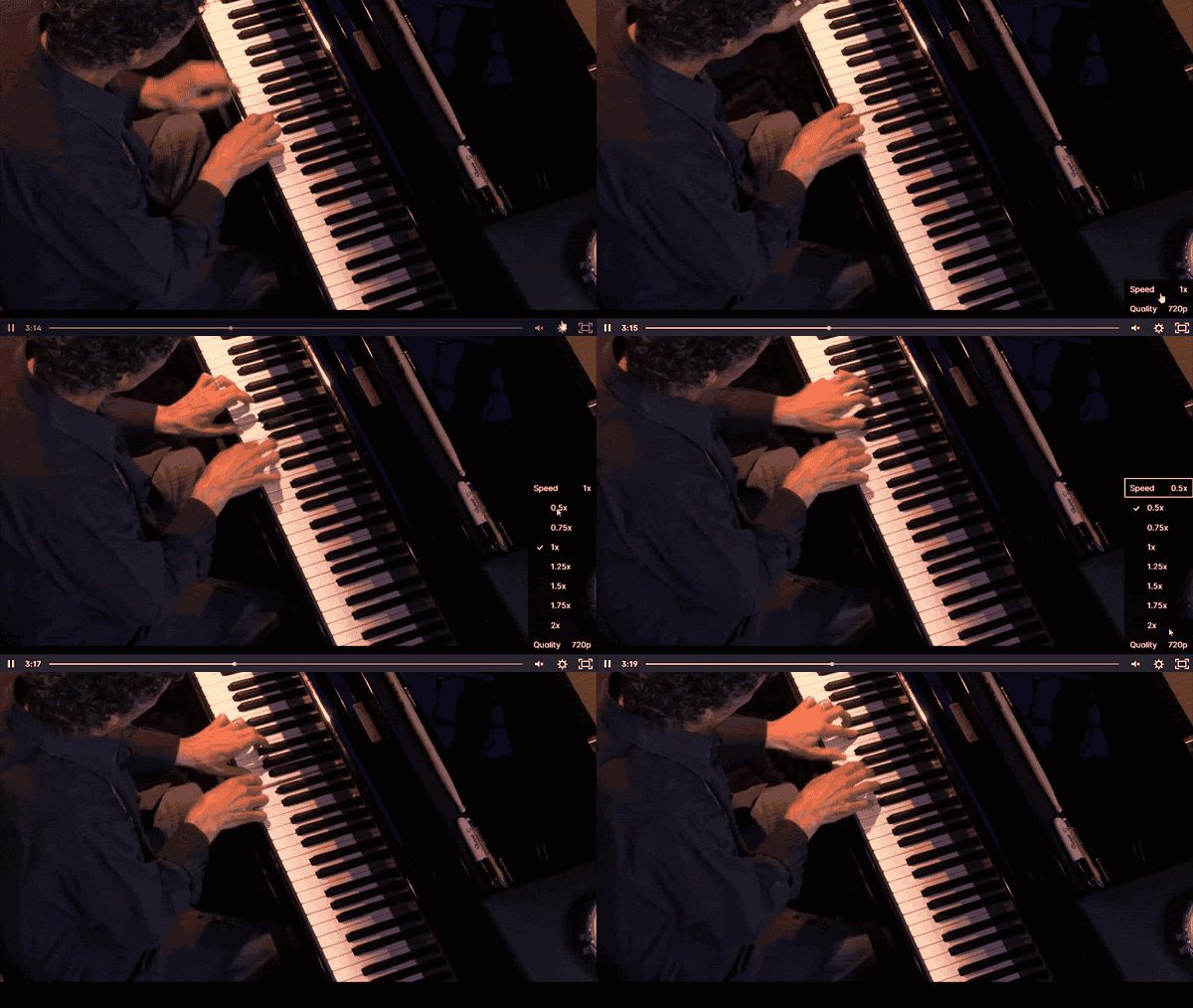
Every lesson plays at half speed whenever you want to see exactly what the hands are doing. Here it is: the player’s speed control, set to 0.5x, on the overhead camera.
01
The rehearsal night
8 lessons · 58 min
The night before, with the trio reading down Folk Song and Planet Chia and the first questions coming in.
Introduction · Folk Song · Rehearsing · Theory and Composition · Acoustic v. Electric · Charts · Practice · Outro
02
Day two
21 lessons · 3 h 30 min
From the life of a band through improvising, composing, choosing bandmates, nerves, and sounding like yourself.
Introduction · Sequencing & Demo Recording · Improvisation & Form · Genre-Hopping · Re-harmonizing · Composing & Creativity · Venue Preference · Composition · Rhythmic Displacement · Choosing Bandmates · Concentration · Musical Independence · Chord Voicings · Reharmonizing pt. 2 & Intervals · Creating Scales · Creating Tunes from Short Ideas · 500 Miles High · Improvisation to Composition · Music Education · Fingering & Touch · La Fiesta & Outro
03
Day three
15 lessons · 3 h 24 min
Built on Chick’s book: practice, technique, three lessons on comping, the Moog, Children’s Songs, and a jam with Chick on drums.
Introduction & Musician’s Hat · Practice for Dexterity · Orchestration & Editing · Two-Handed Runs & Scales · Avoiding Cliché · Got a Match & The Moog · Playing Inside the Piano · Comping · Comping with Vocals · Comping (cont’d) · Children’s Songs · Portraits · Practice Routine · Jam · Credits
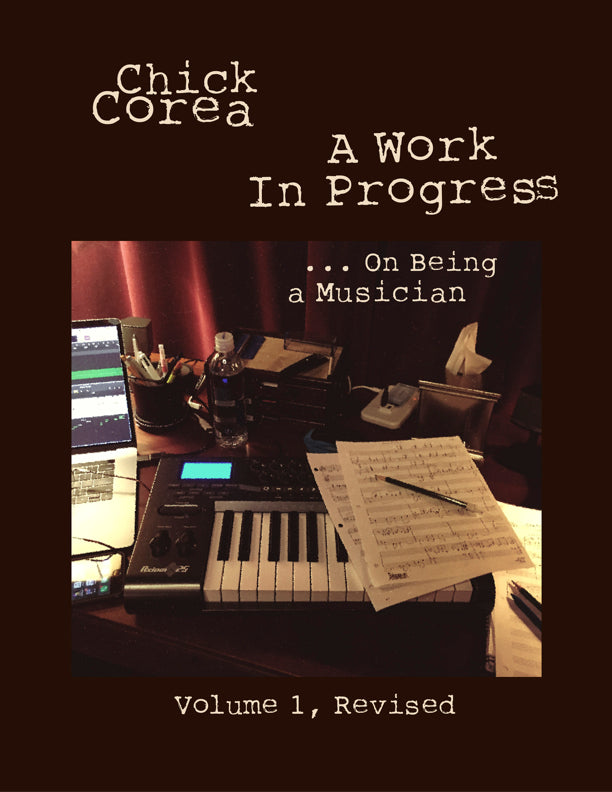
Also included: Chick’s book, free
A PDF of A Work in Progress: On Being a Musician, Chick’s own notes on practicing, comping, making time and composing. Day three of the workshop is built on it.
Whatever is stopping you, someone already asked him about it.
Every lesson was built around a question from a musician. A sample of what gets answered, at the piano, in his own words.
If you’re stuck in a rut
- The ten-second fix for phrases that keep coming back without your permission. It involves a dentist. Avoiding Cliché
- How to get a genuinely new idea into your playing when your imagination has gone flat. Improvisation & Form
- Why a scale you invent on the spot is as good as one in a book, demonstrated. Creating Scales
- Why he only reharmonized certain tunes, and what he did to one of his own. Reharmonizing pt. 2
If your solos sound like exercises
- What goes on in his head while he plays. A viewer in Minneapolis asked; the answer is not what you expect. Rehearsing
- The one thing he practiced instead of his solos, and the first step he took on any tune. Improvisation & Form
- How to play “outside” the changes so it still sounds right, and the line he says you have to deal with. Improvisation to Composition
- What “theory” actually is, and whether it gets in the way. Theory and Composition
If you get nervous on stage
- Where to put your attention so nerves have nowhere to live, and the instruction he gave Carlitos on joining the band. Concentration
- What he did on the empty stage before every show. Concentration
If you practice and nothing changes
- The rule that tells you what to practice in the first place. Practice
- What he took home from every gig. Practice Routine
- The slow-tempo rule that gets you to the fast tempo, and why he never used a metronome. Practice for Dexterity
- Watch him relearn a 1983 Return to Forever piece on camera, phrase by phrase. Practice for Dexterity
- The symmetry hidden in the keyboard and the exercises he built on it. Practice for Dexterity
- How he builds a two-handed run, and which named scales are worth knowing. Two-Handed Runs & Scales
If you can’t finish what you write
- What he does with the first idea that comes, and why he stopped second-guessing. Orchestration & Editing
- How a short, clear idea becomes a full piece, demonstrated by the trio on the spot. Creating Tunes from Short Ideas
- Where the bridge of La Fiesta really came from, in his words. Composition
- Why his tunes sound like odd meters when they are not. Rhythmic Displacement
If you don’t sound like yourself
- The record he made at age five, “my way”, and what Miles Davis whispered to him (he still won’t say). Musical Independence
- His one test for whether it is really you. Composing & Creativity
- The instruction about voicings he hates giving, because it is too simple. Chord Voicings
- His two-word advice about music school. Music Education
If playing with other people is where it falls apart
- The comping move he learned from Herbie Hancock that nobody thinks of. Comping
- The same tune accompanied three ways, for a singer, a bassist and a drummer, and why. Comping (cont’d)
- The YouTube video that almost cost Carlitos the gig, and how Chick actually found his musicians. Choosing Bandmates
- “Ten little drummers”: what the piano has in common with Richie’s kit. Fingering & Touch
- Where the real Fender Rhodes went, and the synthesizer he has had since the early 70s. Got a Match & The Moog
Plus Carlitos on transcribing, Richie on touch, Gayle Moran Corea on singing Chick’s tunes, and improvised musical portraits of the people in the room.
Get The Workshop · $149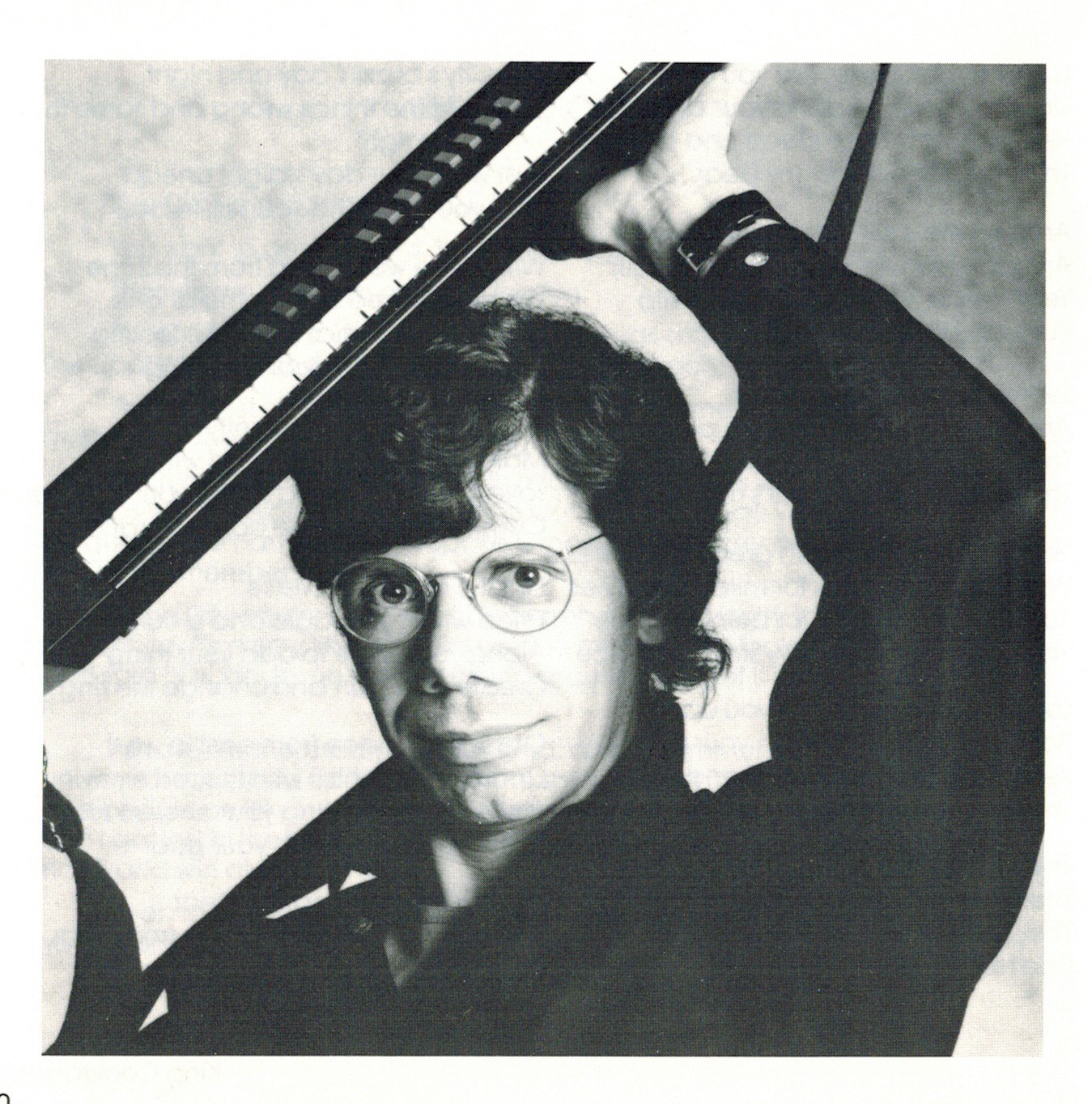
If you only half-know the name
Chick Corea (1941–2021) was one of the most recorded and most awarded pianists in the history of jazz: 29 Grammy Awards, an NEA Jazz Master, a member of Miles Davis’s band on In a Silent Way and Bitches Brew, the founder of Return to Forever, and the composer of Spain, La Fiesta, Windows and dozens of other pieces musicians still learn today.
He was also a teacher by temperament. He answered musicians’ questions for decades, and he founded the Chick Corea Academy so he could keep doing it for anyone who asked. This workshop is where you hear him think out loud.
Who is this for?
Any instrument. Chick plays the piano to answer, but the questions come from bassists, guitarists, drummers, singers and composers, and Carlitos, Richie and Gayle Moran Corea answer some of them themselves.
You should already play something and want to get further: it is three days of a working musician talking to working musicians. If you have been stuck in the same place for a while, this is how Chick thought his way out of his.
From the people who took it
Comments left inside the workshop by students.
“
I have been stuck musically for years in the classical area. I just could not figure out how to grow and use the colors and textures of more complex melodies and harmonies. I think this is just what I need.
C.S., Essentials student
“
That was worth the price of admission for me, right there. Introverting is my musical albatross, and I’ve been trying to get it off my neck my entire life. Chick just inspired me to give it another big push.
R.F., on the Concentration lesson
“
I never thought we could create scales! Until then, I considered scales as fixed forms, limited in number. Such an interesting way to extend creativity beyond limits. The musician comes first!
M.K., on the Creating Scales lesson
“
Just incredible. All I can say is I got confirmation, inspiration and education. Thanks so much.
T.P., Essentials student
What it is worth, and what you pay
Chick’s own advice in the workshop, when asked how to absorb a new kind of music, was to go and live with the musicians who play it. For three days he let musicians on four continents do exactly that with him. This is the recording, for as long as you want it.
$149
Forty-four lessons, about $3.40 each. One payment, lifetime access.
Get The WorkshopQuestions
Is Chick teaching this live?
Do I need to play piano?
How is it different from The Piano?
What level is it for?
How long do I have access?
How do I watch?
Can I give it as a gift?
Chick recorded it so you would have it.
Forty-four lessons. Eight hours. Any instrument. Lifetime access.
Get The Workshop · $149